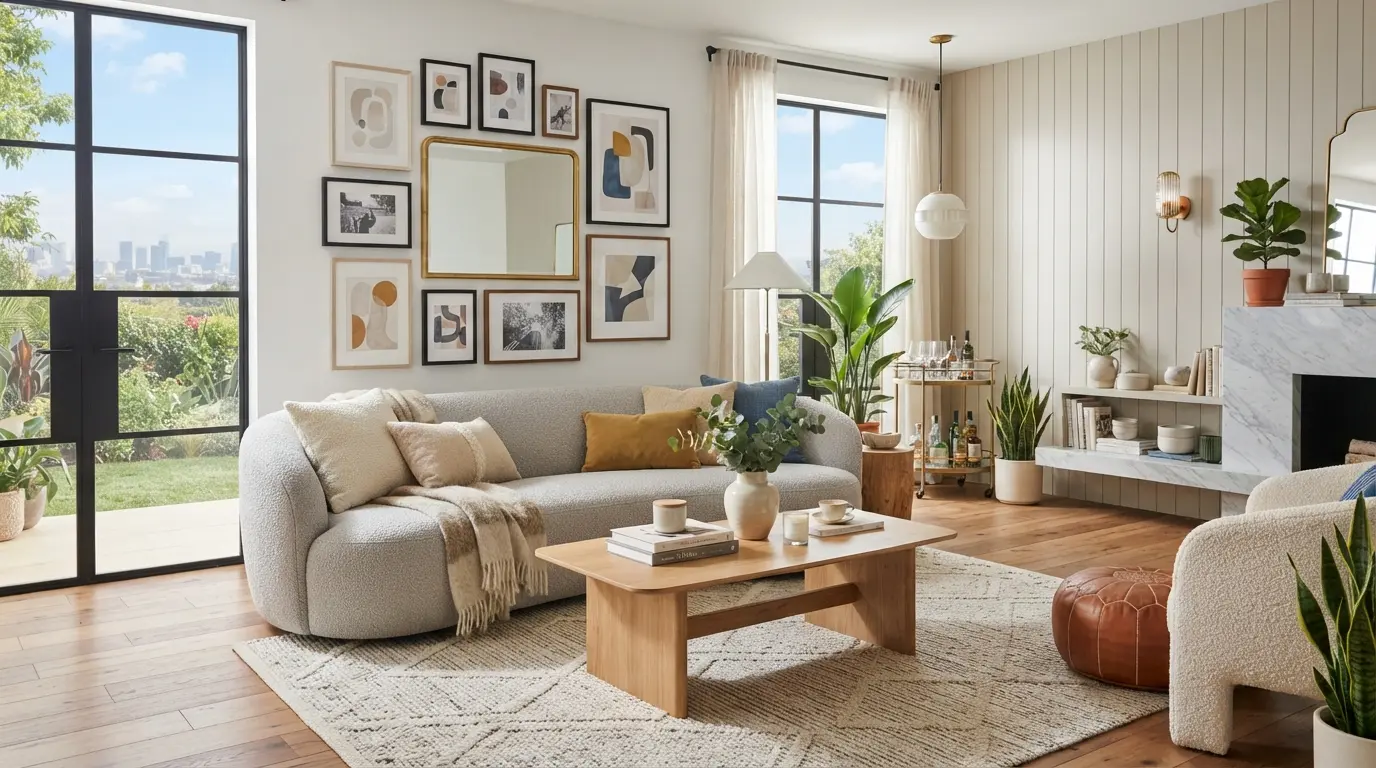
25 Modern Living Room Design Ideas for an Effortless Home Upgrade
Updating a main living space doesn’t always require a major structural renovation or a complete overhaul of your furniture. Often, a modern and cohesive home upgrade comes down to refining your color palette, introducing tactile materials, and adjusting your layout to maximize both comfort and natural light. Whether you are working with an open-concept suburban layout, a compact apartment, or a traditional home, incorporating intentional design shifts can completely change how a room feels. From grounding the space with an organic wool rug to mixing sleek contemporary lighting with warm wood tones, these 25 modern living room design ideas offer practical, stylish ways to refresh your home with an effortless, designer-inspired finish.
1. Ground the Room with a Neutral Textured Area Rug
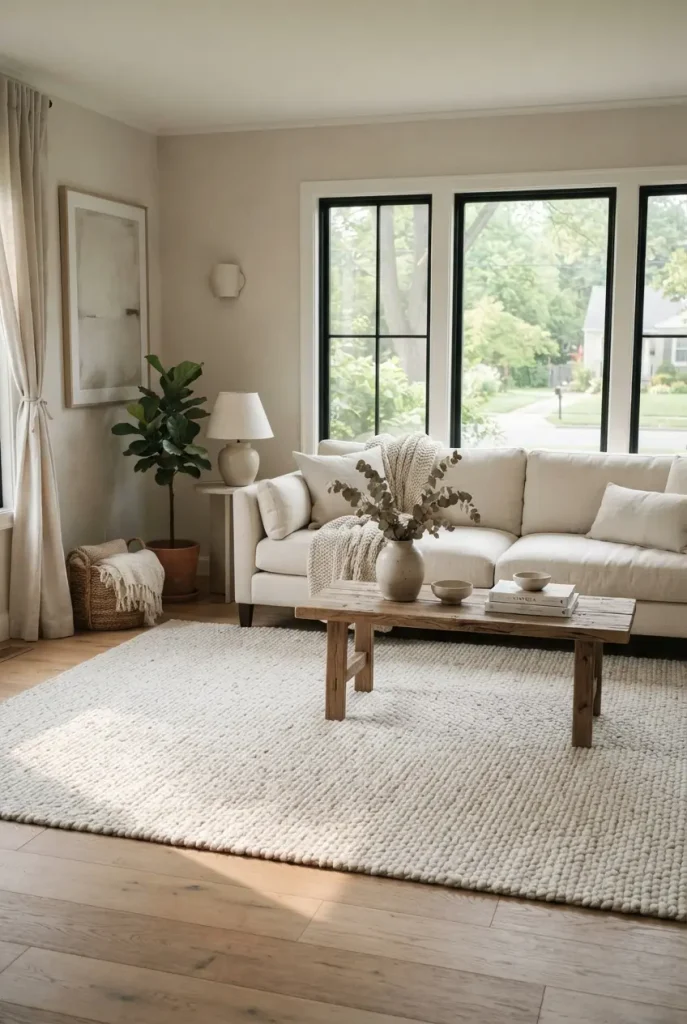
A heavy-texture, neutral area rug serves as the visual anchor for a modern living room, instantly defining the seating zone while adding warmth underfoot. Look for materials like undyed wool, jute blends, or subtle low-pile geometric weaves that introduce depth without overwhelming the floor plan. A properly sized rug should extend underneath the front legs of your sofa and accent chairs, visually expanding the room’s boundaries and creating a cohesive, finished look.
2. Introduce Warm Wood Tones Through a Statement Coffee Table
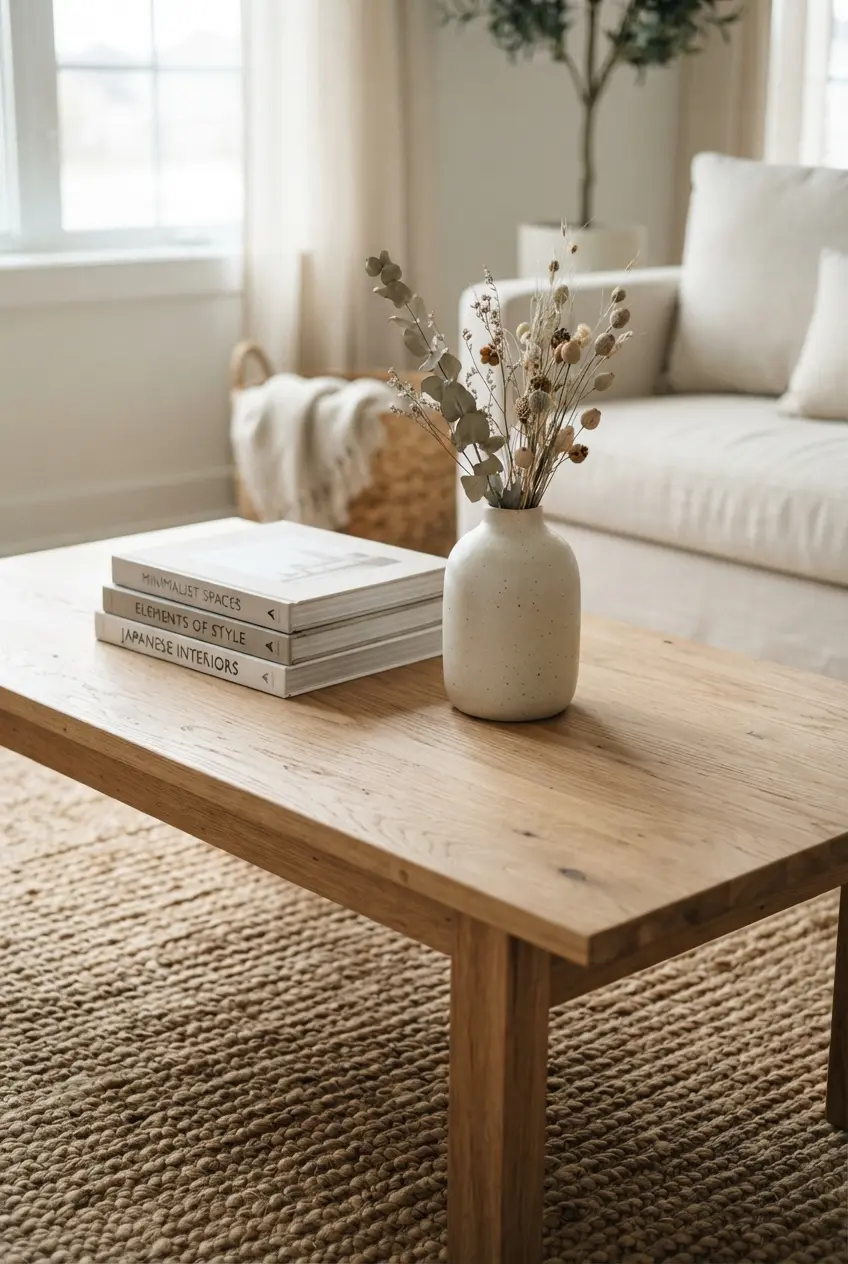
Swapping heavy, dark furniture for a solid oak or walnut coffee table brings organic warmth into a contemporary space. Organic wood grain breaks up monotone color palettes and adds a touch of grounded craftsmanship. Choose a piece with clean lines—such as a rounded oval or a low-slung rectangular silhouette—to maintain an airy, uncluttered pathway around your main seating area.
3. Layer Soft Linen Drapery High and Wide
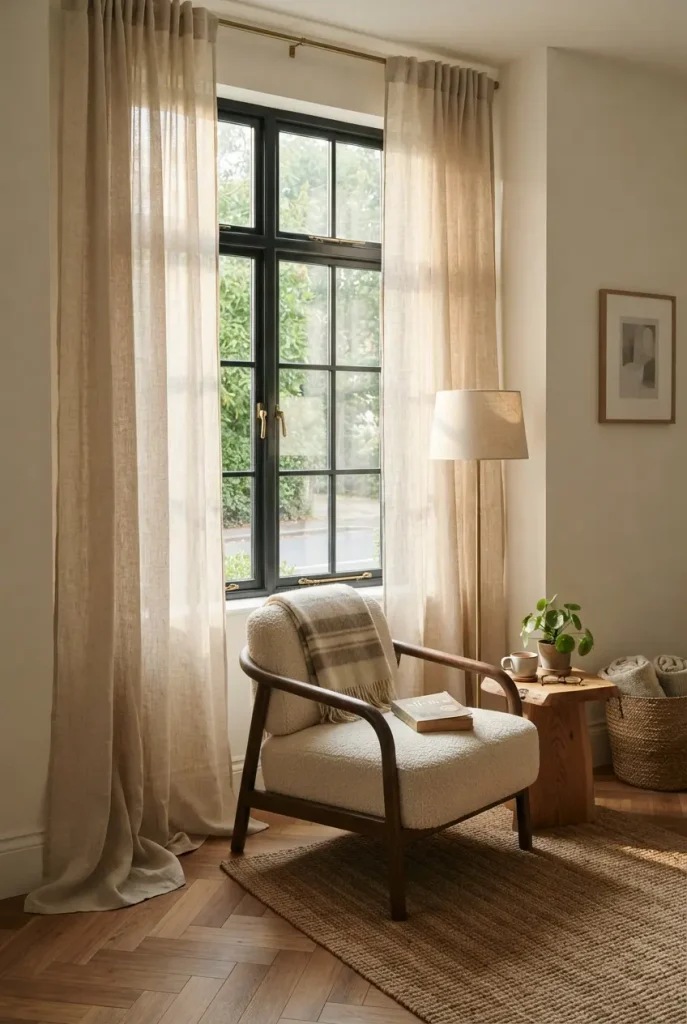
Hanging lightweight linen curtains close to the ceiling line and extending past the window frame creates the optical illusion of soaring architectural height and larger windows. Opt for unlined European flax linen in soft white, oatmeal, or warm beige. The fabric gently diffuses harsh afternoon sunlight, casting a warm, atmospheric glow across the entire room while adding casual, sophisticated movement.
4. Anchor the Wall with Oversized Minimalist Art
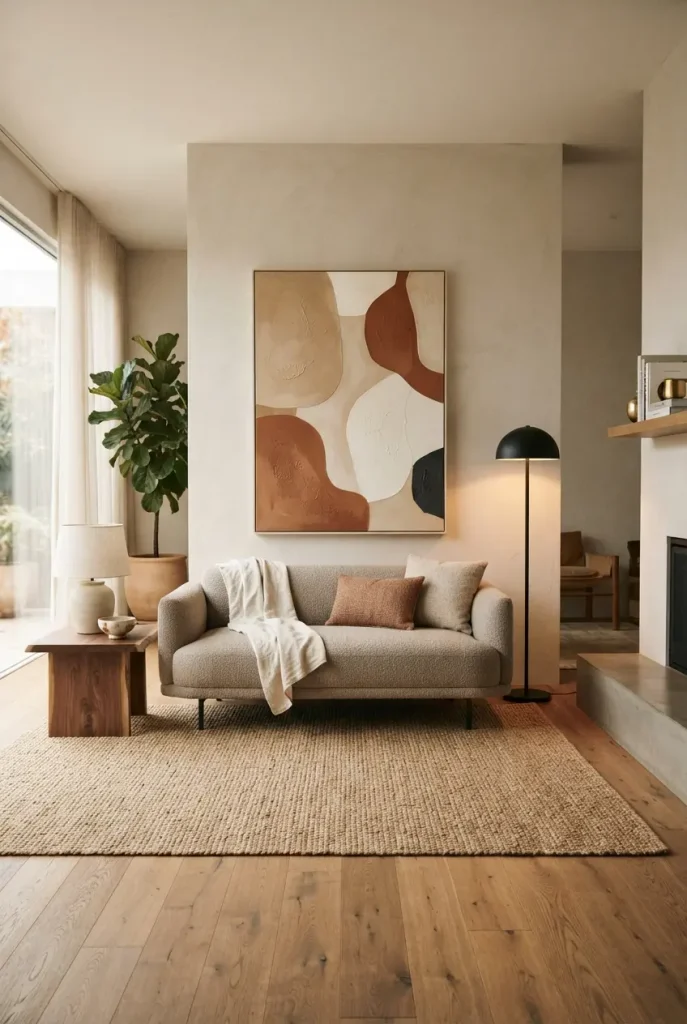
Instead of cluttering a primary wall with a gallery of small frames, introduce a single oversized canvas featuring abstract or tonal minimalist artwork. A large-scale piece commands attention without visual noise, making a small or average-sized room feel grander. Stick to a restrained palette—such as muted earth tones, soft grays, or monochromatic strokes—that echoes your room’s textile choices.
5. Mix Performance Bouclé and Smooth Leather Textures
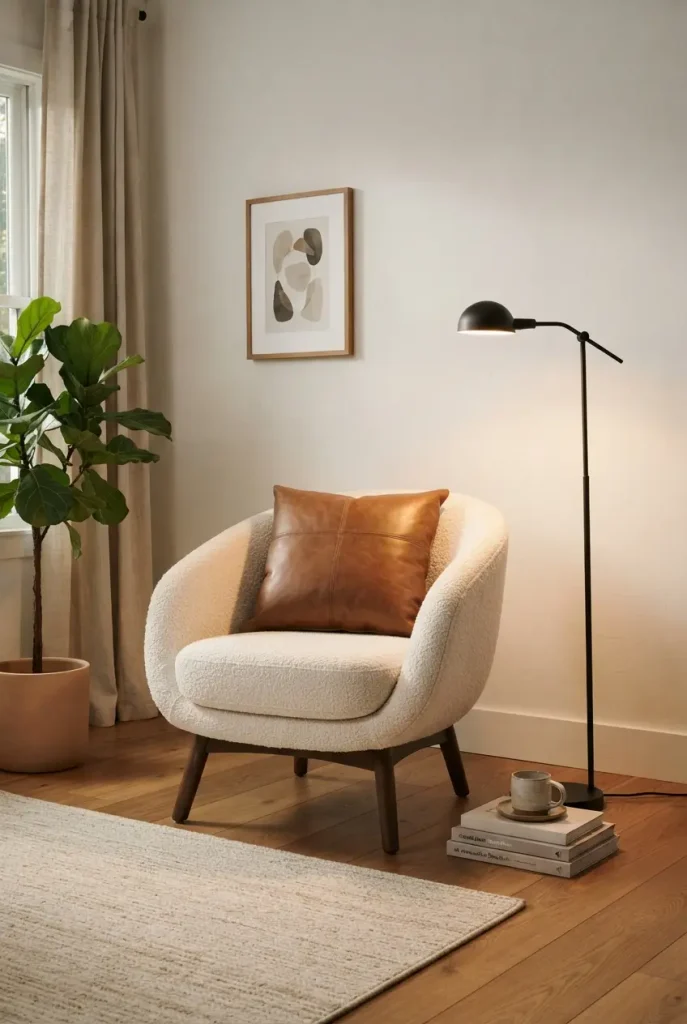
Modern comfort relies heavily on the tactile interplay of contrasting fabrics. Pairing a soft, textured bouclé accent chair with a sleek leather sofa creates instant visual tension and depth. This dynamic combination prevents a neutral monochromatic color scheme from feeling flat, introducing tactile richness that invites you to settle in.
6. Install an Arching Architectural Floor Lamp
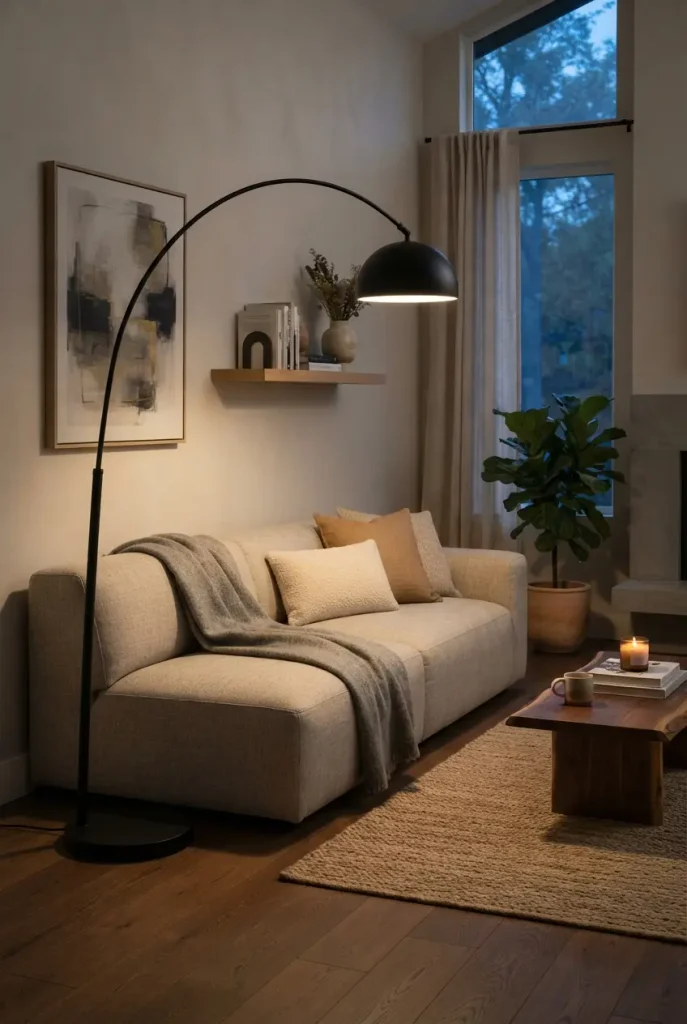
An oversized arc floor lamp delivers sculptural elegance while providing targeted ambient light over a seating area. Choosing a matte black, brushed brass, or aged bronze finish introduces a sophisticated metallic accent that draws the eye upward, enhancing the vertical proportions of the room without taking up valuable floor space.
7. Build Visual Depth with Monochromatic Layering
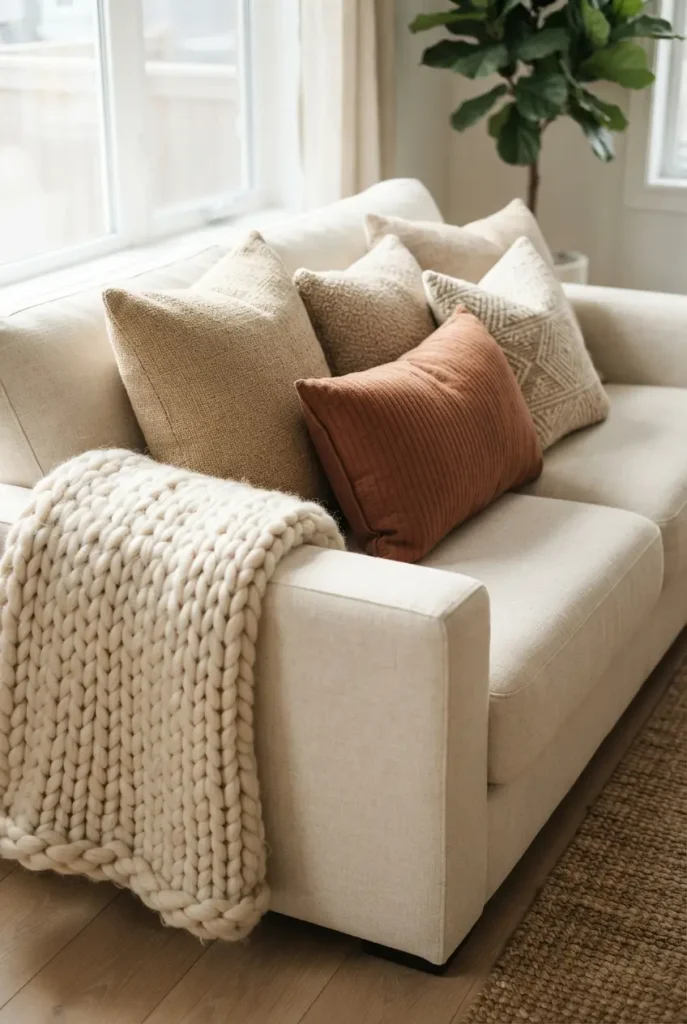
Designing with a single color family—such as shades of warm beige, cream, sand, and taupe—creates a serene, high-end environment. To keep a monochromatic room from feeling sterile, vary the textures through ribbed ceramics, knitted throws, smooth plaster, and woven baskets. This subtle variation provides visual interest while maintaining an overall sense of calm.
8. Swap Outdated Hardware and Accent Details
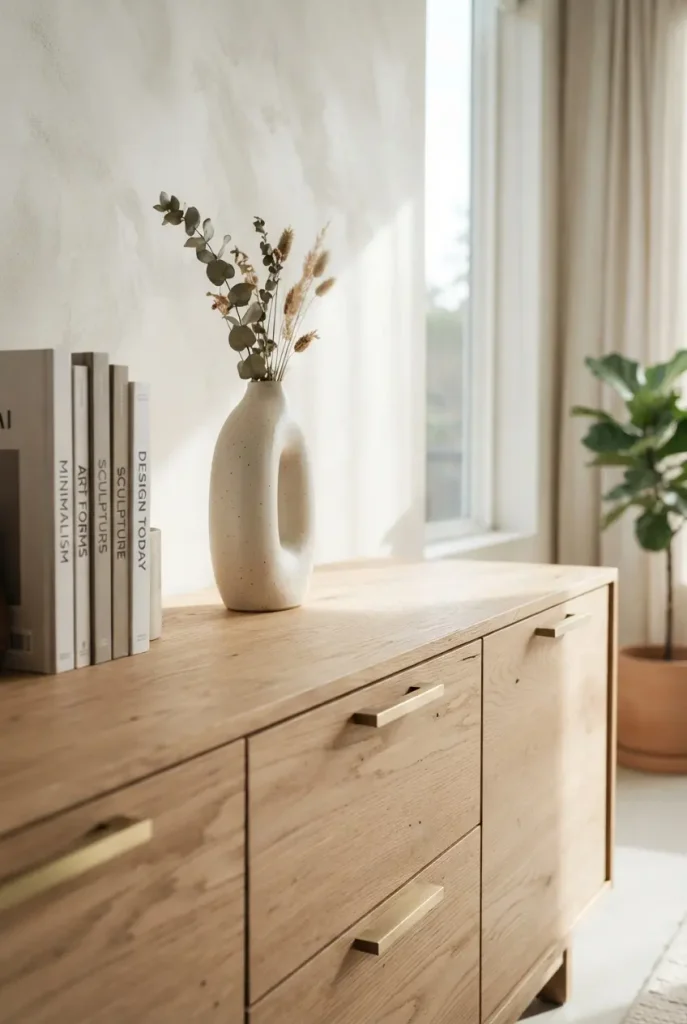
An effortless way to upgrade a living room on a budget is by replacing standard hardware, cabinet pulls, or media console legs with high-end finishes like brushed brass, matte black, or unlacquered bronze. These small tactile updates catch the light and add an intentional, custom-designed feel to flat-pack or builder-grade furniture pieces.
9. Incorporate Statement Organic Pottery and Ceramics
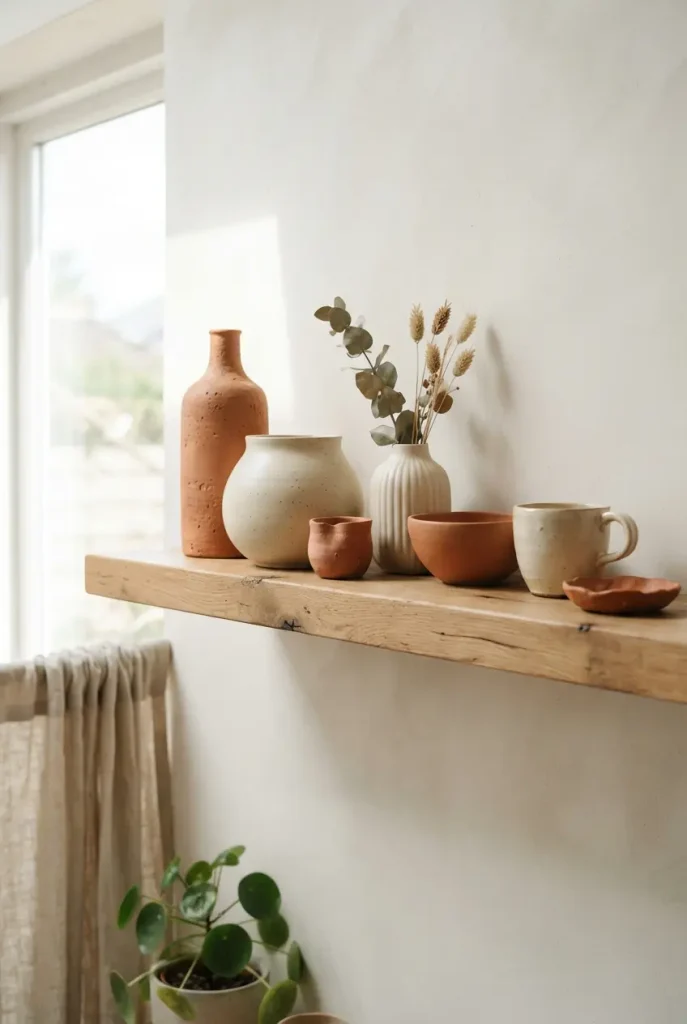
Instead of traditional decorative trinkets, style open shelves and coffee tables with sculptural, earthy ceramics featuring matte finishes, reactive glazes, or organic asymmetries. These handcrafted elements introduce artisanal character and a grounded, organic aesthetic that contrasts nicely with clean-lined modern furniture.
10. Frame Your Space with Slim Black Metal Glass Doors
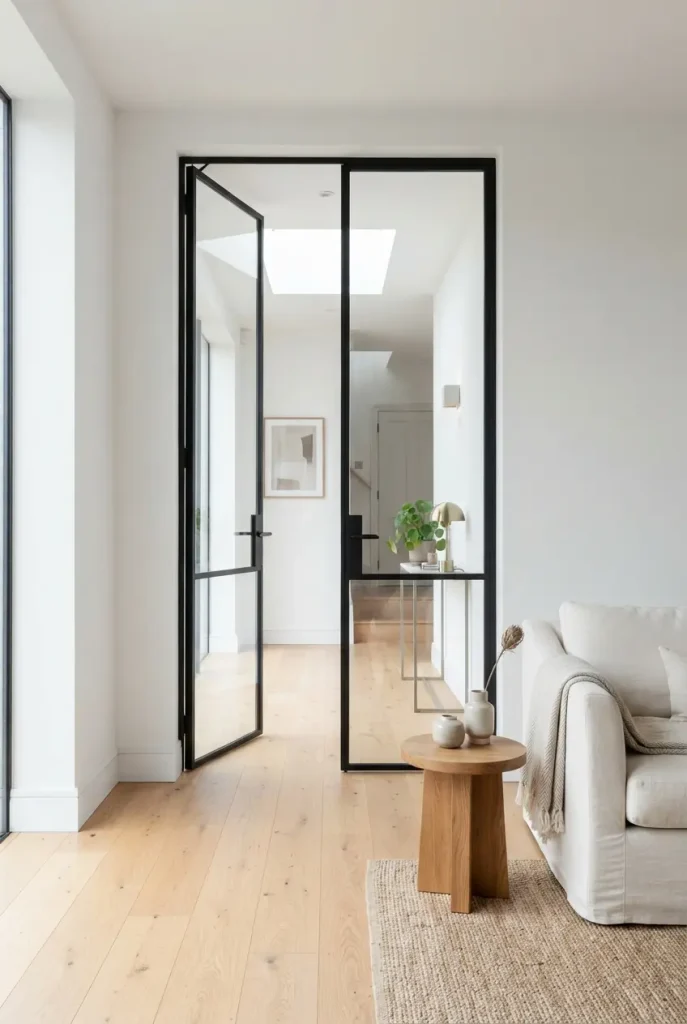
For an open-concept layout or rooms connected to a hallway, replacing standard wooden doors with crittall-style slim black metal glass frames allows natural light to flood the space while adding architectural definition. This industrial-modern touch provides structural contrast against soft textiles and warm wood finishes.
11. Create a Cozy Reading Nook with a Swivel Chair
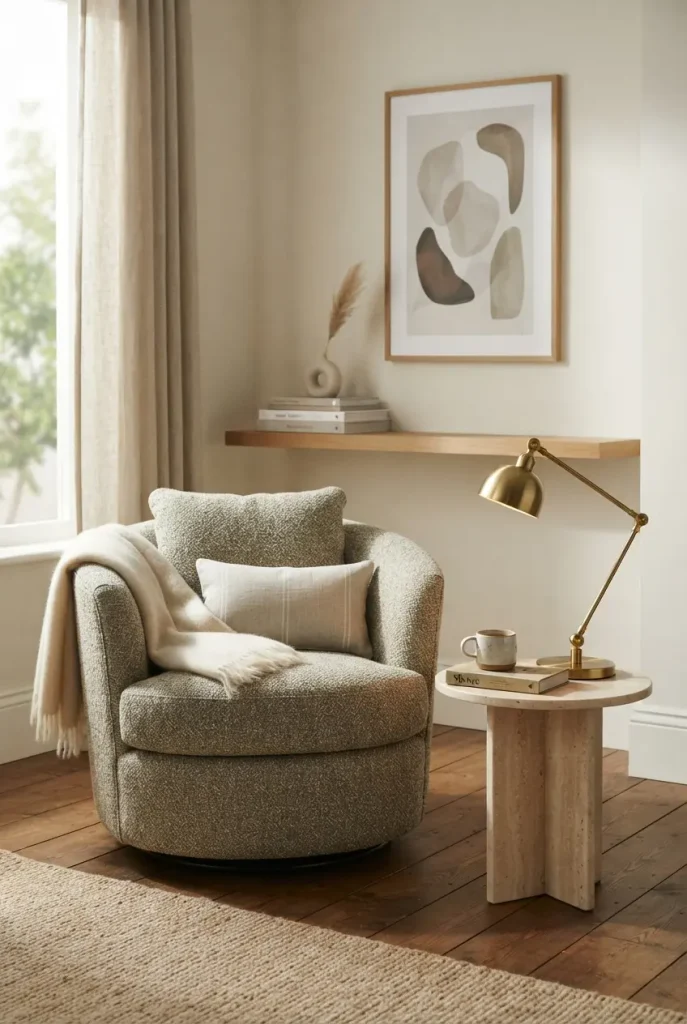
Transform an unused corner into an inviting functional zone by placing a comfortable, 360-degree swivel armchair alongside a compact side table and a dedicated reading light. This layout variation breaks up the rigidity of traditional wall-facing seating arrangements and adds an extra layer of livability to the room.
12. Use Fluted Wood Wall Paneling for Accent Depth
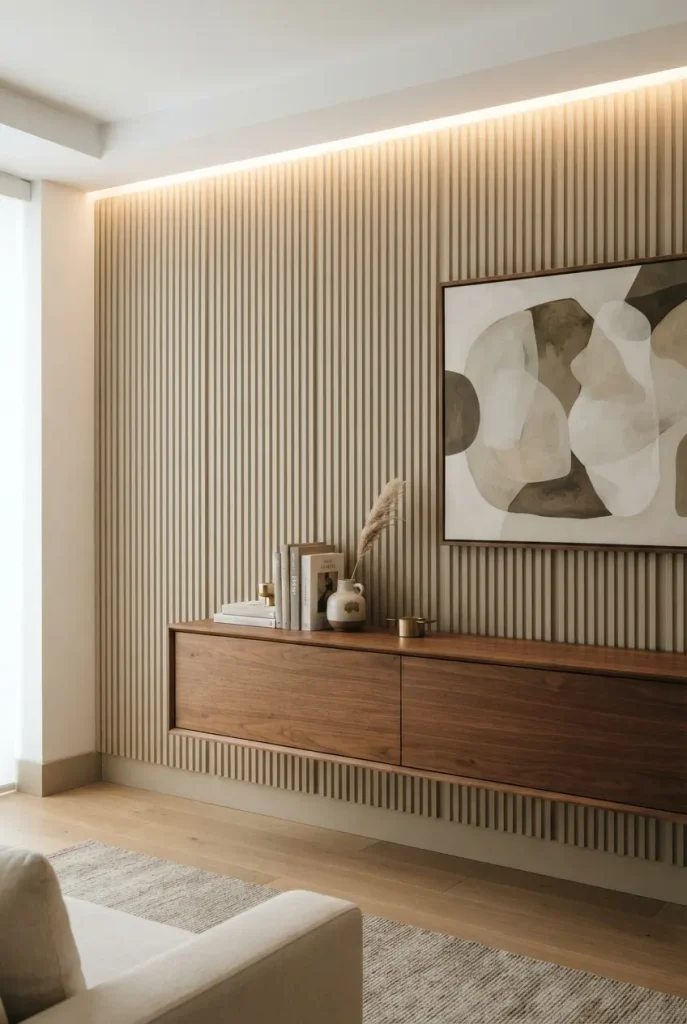
Adding half-wall or floor-to-ceiling fluted wood paneling behind a sofa or media center introduces incredible architectural texture and shadow play. Painted in a soft monochromatic tone or left as a natural finish, fluted panels instantly elevate a flat drywall surface into a high-end designer feature wall.
13. Soften Hard Angles with Organic Curved Furniture
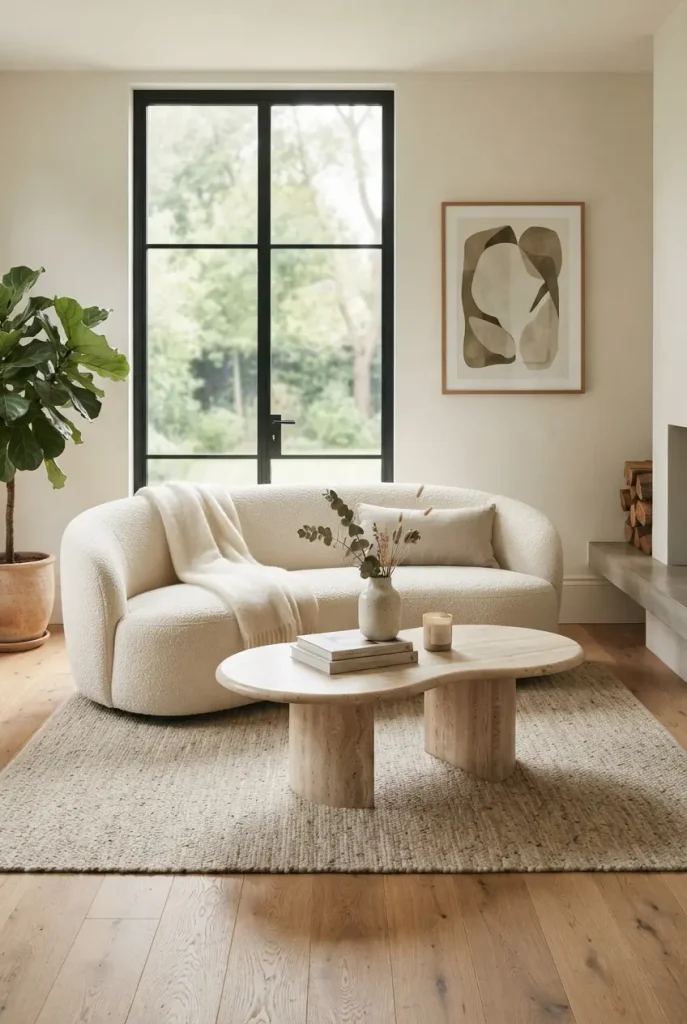
Introduce a modern curved sofa or a round upholstered ottoman to break up the linear geometry common in most living rooms. Curves encourage better conversational flow and create an inviting, cocoon-like atmosphere that feels both contemporary and deeply relaxing.
14. Style a Low-Profile Floating Media Console
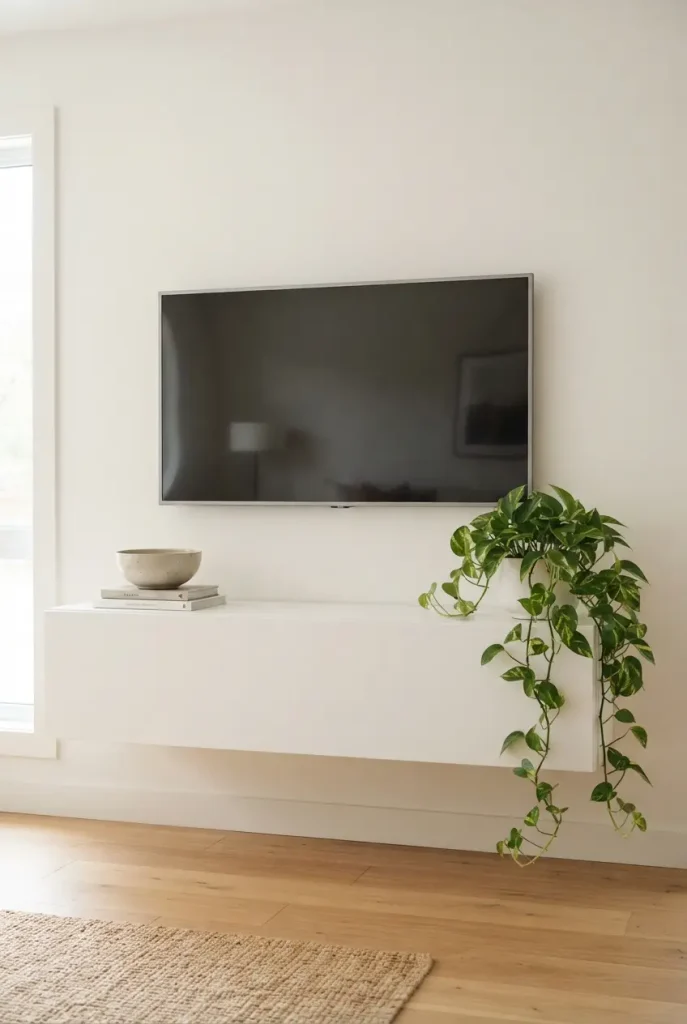
Keep the floor plan feeling expansive and light by mounting a minimalist floating media console a few inches off the floor. This design trick makes the room feel wider and simplifies cleaning underneath, while providing a streamlined surface for your media components and curated decor objects.
15. Anchor the Fireplace with a Limewash or Plaster Finish
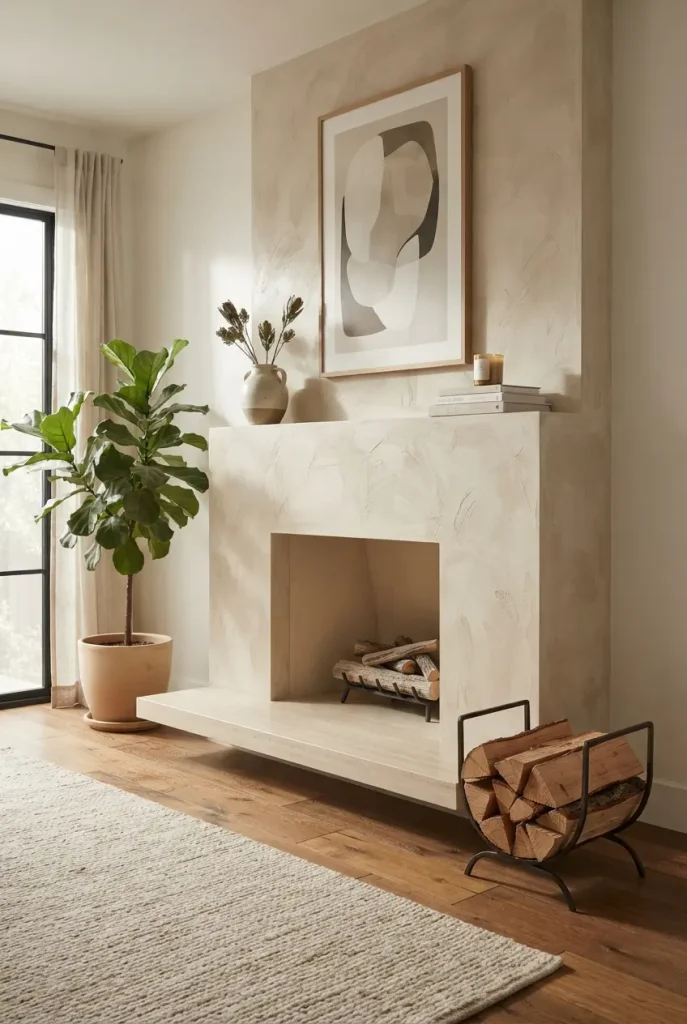
Transform a standard brick or dated stone fireplace surround by applying a textural limewash or hand-troweled Venetian plaster finish. This artisanal technique introduces subtle clouding, matte texture, and tonal variation, giving the focal point of your living room an organic, weathered European aesthetic.
16. Layer Ambient Lighting with Portable Cordless Lamps
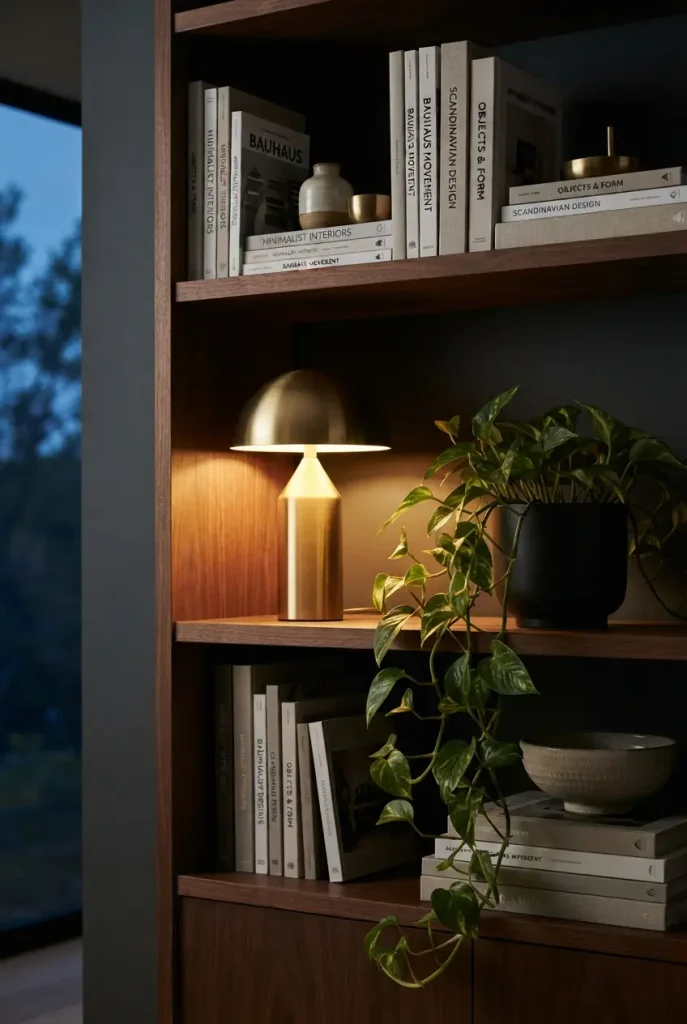
Ditch harsh overhead lighting in favor of layered, dimmable ambient sources. Placing portable, rechargeable cordless brass lamps on bookshelves, side tables, or mantels adds warm, intimate pools of light without the visual clutter of visible cords, creating an inviting evening atmosphere.
17. Bring the Outdoors In with Large-Scale Greenery
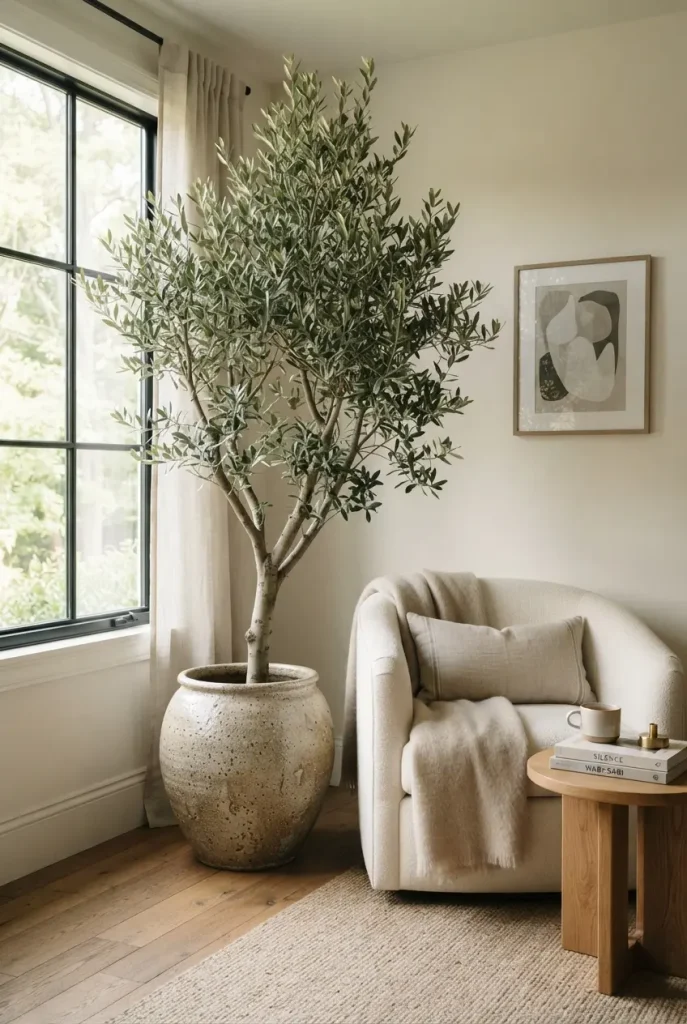
Inject life and organic movement into your living space by placing a statement indoor plant—such as a tall Ficus Audrey, an Olive tree in a terracotta pot, or a structural Bird of Paradise—in an empty corner. Natural greenery softens hard architectural corners and infuses the room with vibrant, living color.
18. Choose Low-Slung Modular Seating for an Airy Flow
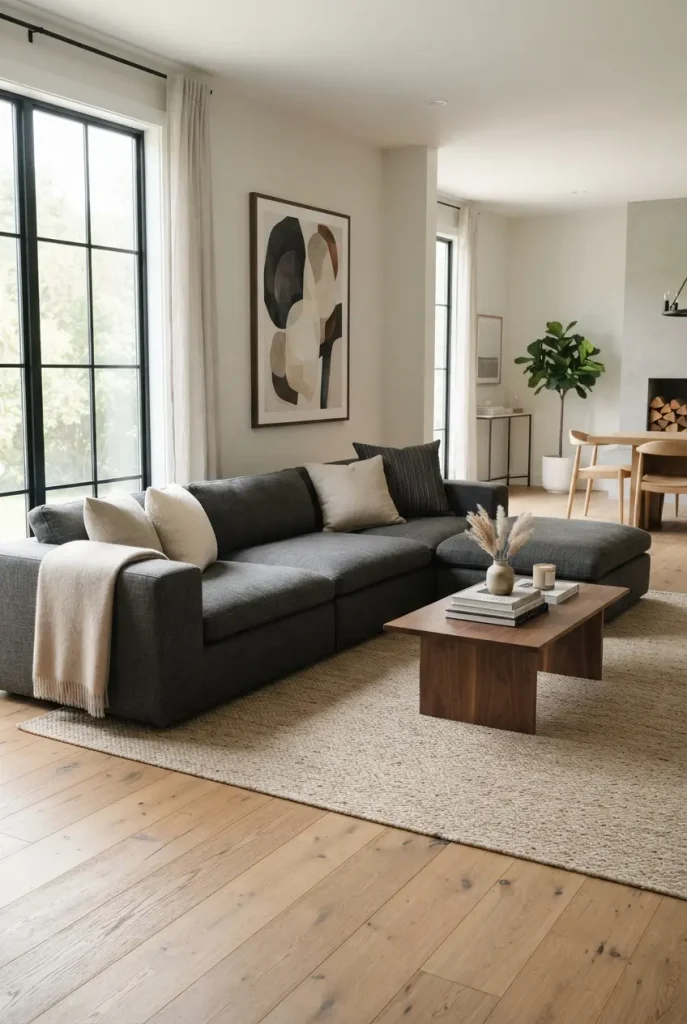
Embrace relaxed, modern lounging by opting for low-profile modular sectional seating. Low furniture profiles keep sightlines open across the room, making small or medium spaces feel significantly more expansive, breathable, and contemporary.
19. Incorporate Natural Stone Through Side Tables
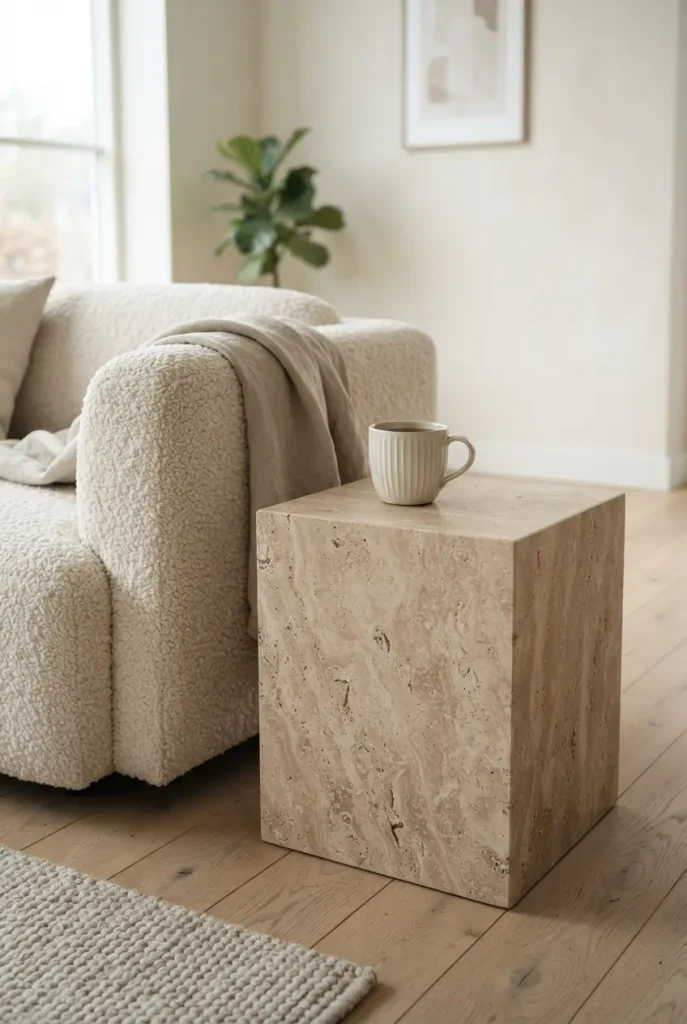
Add an element of permanent luxury by introducing side tables carved from natural travertine, marble, or limestone. The heavy, tactile nature of stone grounds lighter upholstered furniture pieces and introduces unique geological veining that catches the eye.
20. Style Open Shelving with Intention and Negative Space
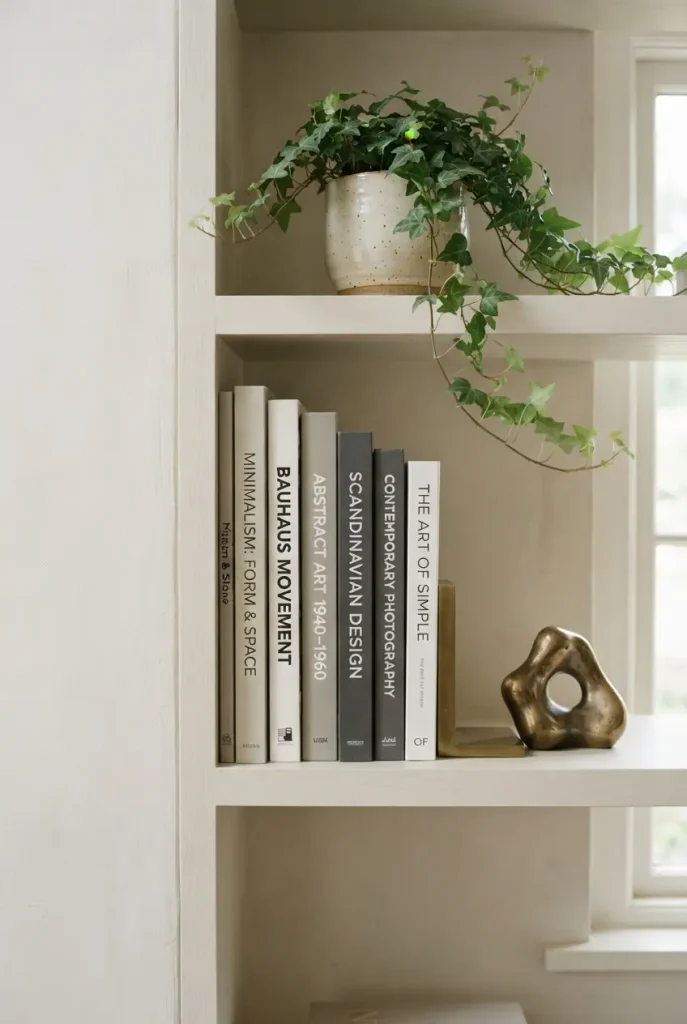
When styling built-in or floating living room shelving, practice restraint by leaving generous amounts of negative space. Mix vertical books with horizontal stacks, and intersperse sculptural objects, framed art prints, and small trailing greenery rather than filling every single inch.
21. Ground Your Windows with Minimalist Black Hardware
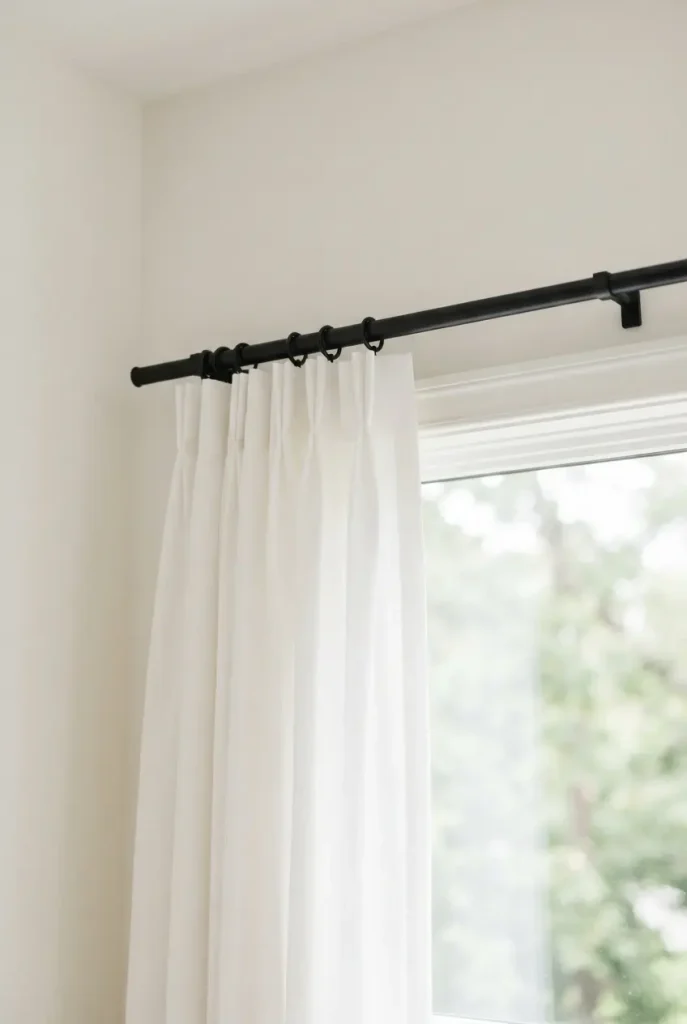
Swap out heavy, ornate curtain rods for clean, matte black iron rods paired with simple ring clips. This subtle architectural detail adds crisp contrast against white or neutral walls, framing your windows with sharp, modern lines.
22. Layer Woven Rattan and Cane Accent Details
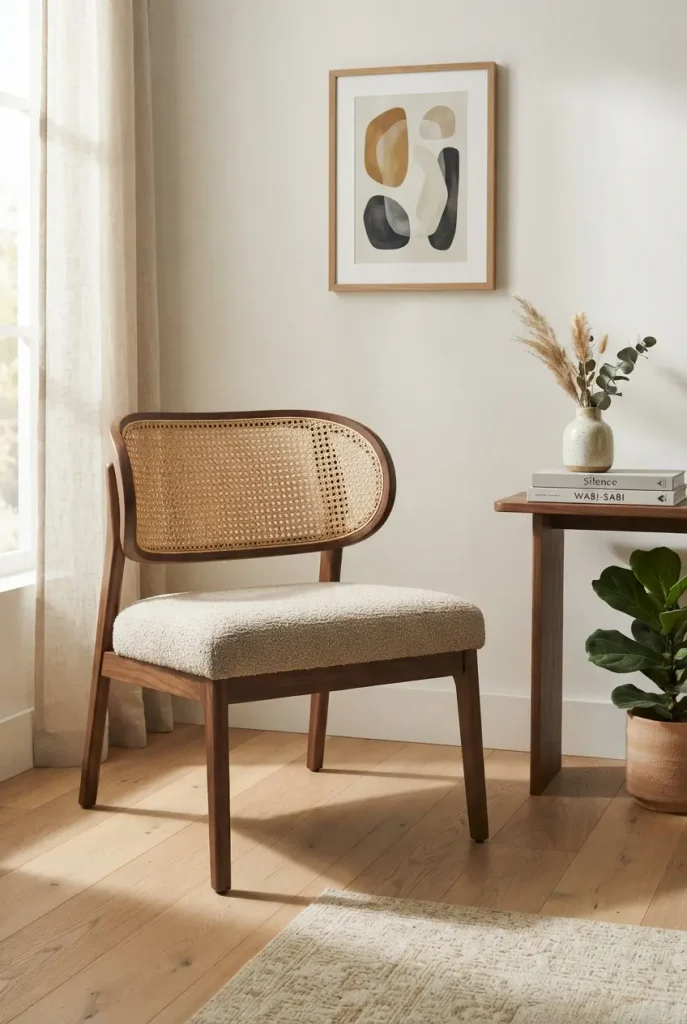
Incorporate natural woven elements—such as a cane-backed accent chair, a rattan media cabinet door, or woven baskets for throw blankets—to introduce warmth and breezy texture. These materials add an approachable, relaxed layer to modern spaces without feeling overly rustic.
23. Hang a Statement Minimalist Linear Chandelier
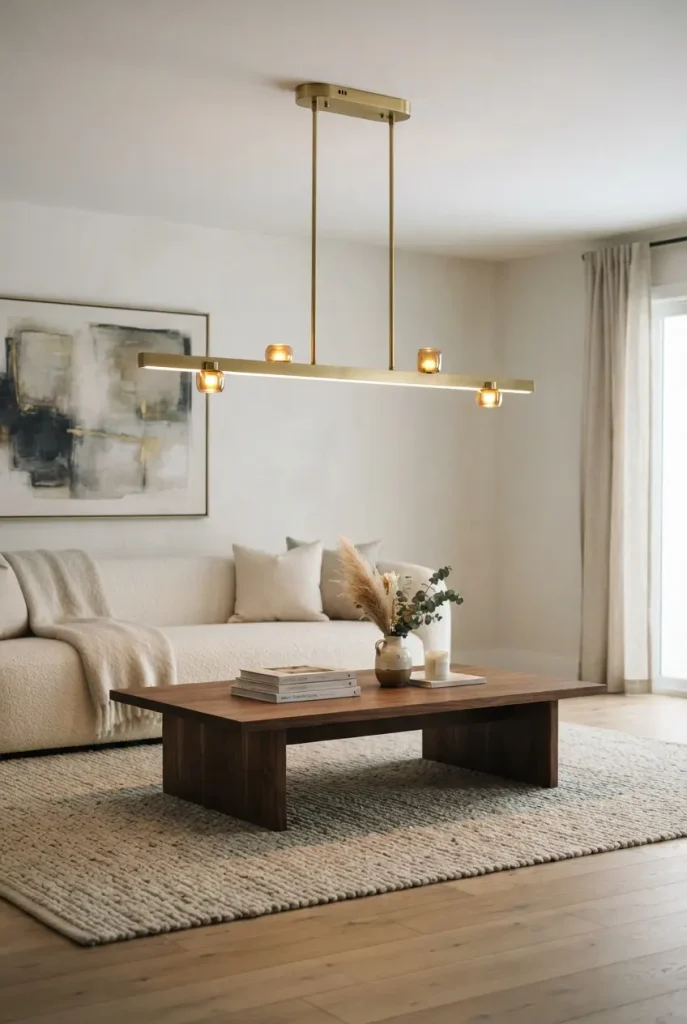
Replace a standard flush-mount light fixture with a modern linear chandelier or a blown-glass pendant arrangement. A striking overhead fixture acts as a functional piece of art, drawing the eye across the ceiling plane and defining the room’s overarching design character.
24. Utilize Multifunctional Storage Ottomans
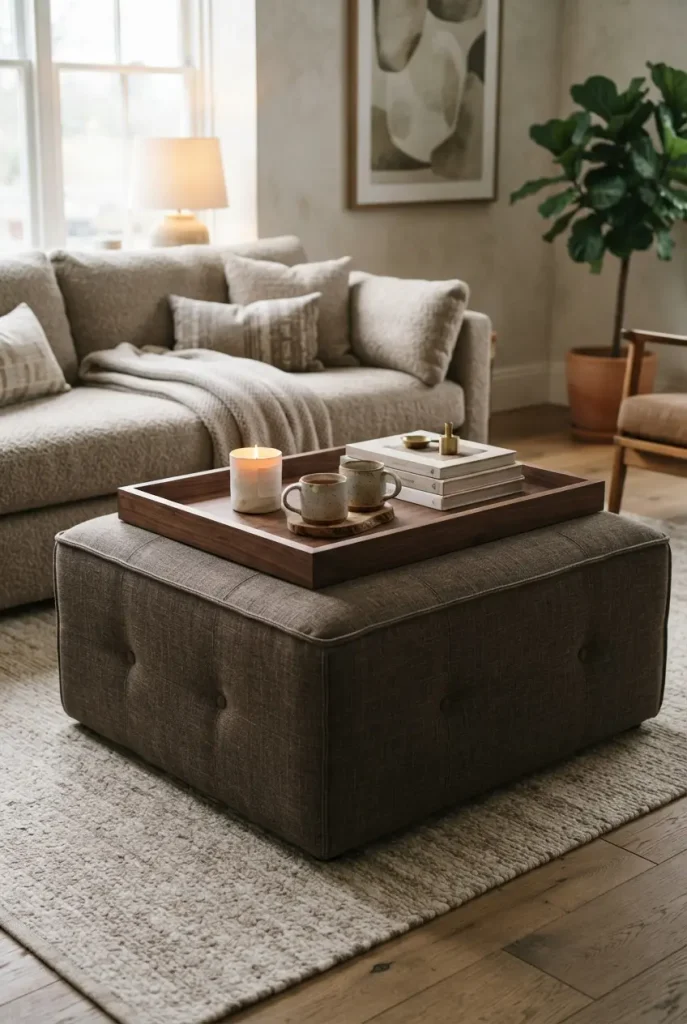
Keep clutter out of sight in style by introducing a large upholstered storage ottoman wrapped in textured performance fabric or supple leather. It doubles as a soft footrest, an extra seating option during gatherings, or a casual tabletop when paired with a sturdy wooden tray.
25. Anchor the Room with a Unified Tonal Color Palette
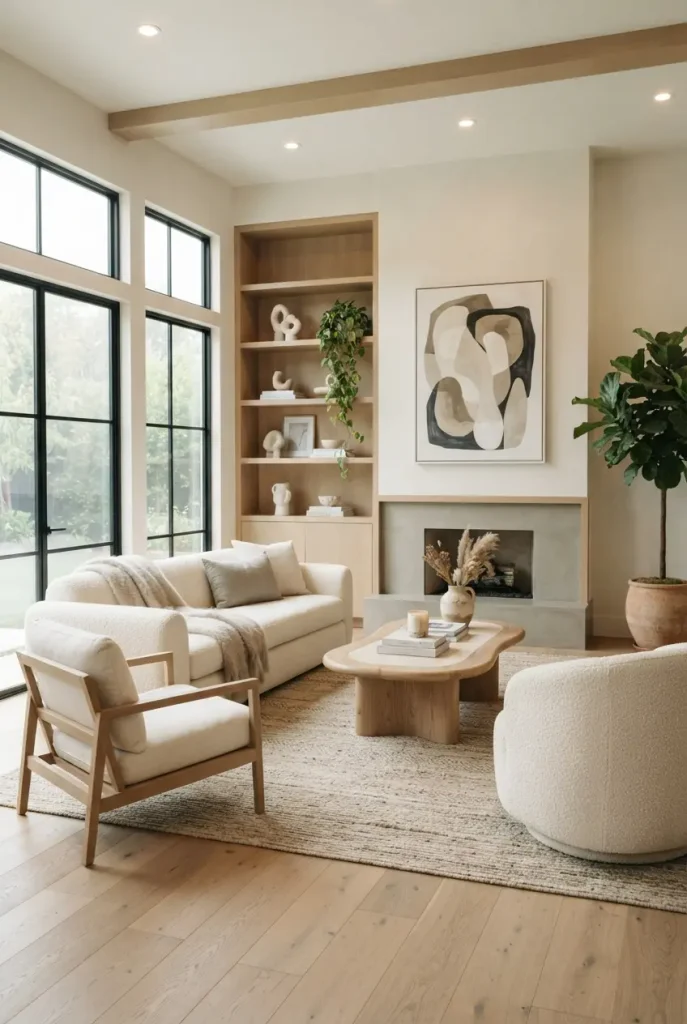
To pull all your modern design upgrades together, commit to a unified tonal color palette across your textiles, walls, and decor. Sticking to harmonious shades of warm whites, soft grays, rich oatmeals, and muted earthy accents creates a seamless visual flow that makes the entire living room feel professionally curated and effortlessly complete.